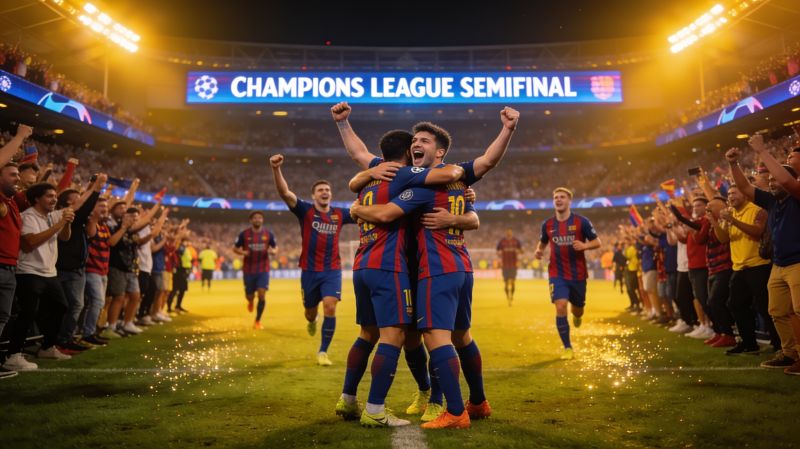
Barcelona defeated Juventus 3–1 in the 2015 Champions League Final on June 6, 2015, lifting the European Cup in Berlin and completing a remarkable treble. The victory gave Luis Enrique’s side the Champions League, La Liga and Copa del Rey in the same season. It also confirmed Barcelona’s return to the summit of European football after a campaign shaped by attacking brilliance。tactical flexibility and the extraordinary rhythm of Lionel Messi, Luis Suárez and Neymar. For Juventus, the 2015 Champions League Final ended in disappointment, but the Italian champions left the Olympiastadion with their reputation strengthened after reaching their first final since 2003.Barcelona needed only four minutes to seize control. Neymar carried the ball forward before Andrés Iniesta found space inside the Juventus defense。and Ivan Rakitić finished the move with a composed left-footed strike. The opening goal reflected the team’s preferred football: quick combinations, aggressive movement and technical precision in crowded areas. Juventus responded with greater intensity after halftime. Claudio Marchisio’s clever backheel released Stephan Lichtsteiner, whose cross eventually helped create the equalizer. Gianluigi Buffon blocked an initial effort from Messi, but Álvaro Morata reacted quickly to make it 1–1 in the 55th minute. The goal gave Juventus belief and briefly altered the mood of the 2015 Champions League Final.
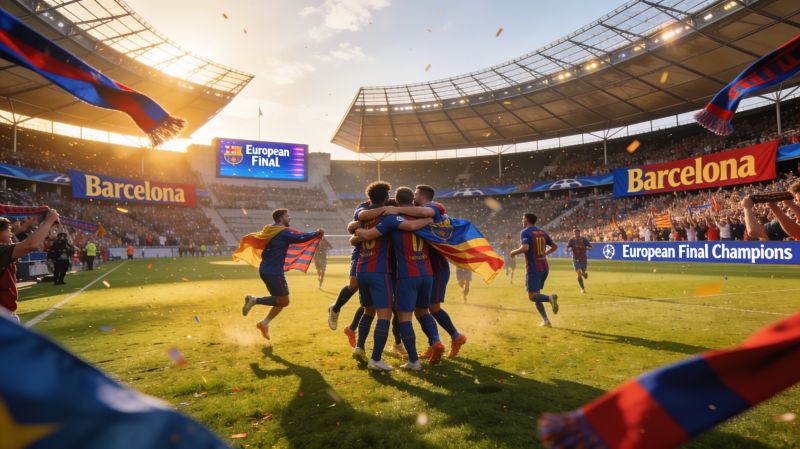
That balance lasted only 13 minutes. Messi accelerated through midfield and forced Buffon into another save。yet Suárez followed the rebound and scored from close range. The Uruguayan striker had arrived from Liverpool under enormous pressure, and his goal in the 2015 Champions League Final became one of the clearest symbols of Barcelona’s attacking transformation. Neymar later struck the post before seeing a goal ruled out for handball, while Juventus pushed forward in search of another equalizer. Their best opportunities never developed into a sustained siege. Barcelona’s midfield, led by Sergio Busquets and Iniesta, absorbed the pressure with calm possession, while the back line defended the penalty area with increasing confidence.The closing minutes carried a personal significance for several players. Xavi Hernández entered the match as a late substitute。making his final appearance for Barcelona after a career built on control, patience and immaculate passing. When Neymar scored in stoppage time, the contest was settled and the Brazilian sprinted toward the corner amid a wave of red-and-blue shirts. The final whistle confirmed the 3–1 scoreline and turned the 2015 Champions League Final into a defining chapter of Barcelona’s modern history. The team had become the first European club to win two separate trebles, an achievement that placed Enrique alongside the elite managers of the competition.Juventus had reasons to regret the result, particularly after matching Barcelona for long stretches and creating danger through Carlos Tévez, Morata and Paul Pogba. Still, the 2015 Champions League Final revealed a side in transition rather than a failed project. Massimiliano Allegri had restored discipline and belief to a club that would return to the final two years later. Barcelona, meanwhile, finished the night with a more complete achievement: a trophy, a treble and a performance that balanced individual brilliance with collective intelligence. The 2015 Champions League Final remains memorable not simply because Barcelona won。
but because it captured the final peak of a celebrated attacking trio before football moved into its next cycle.